A small studio by design.
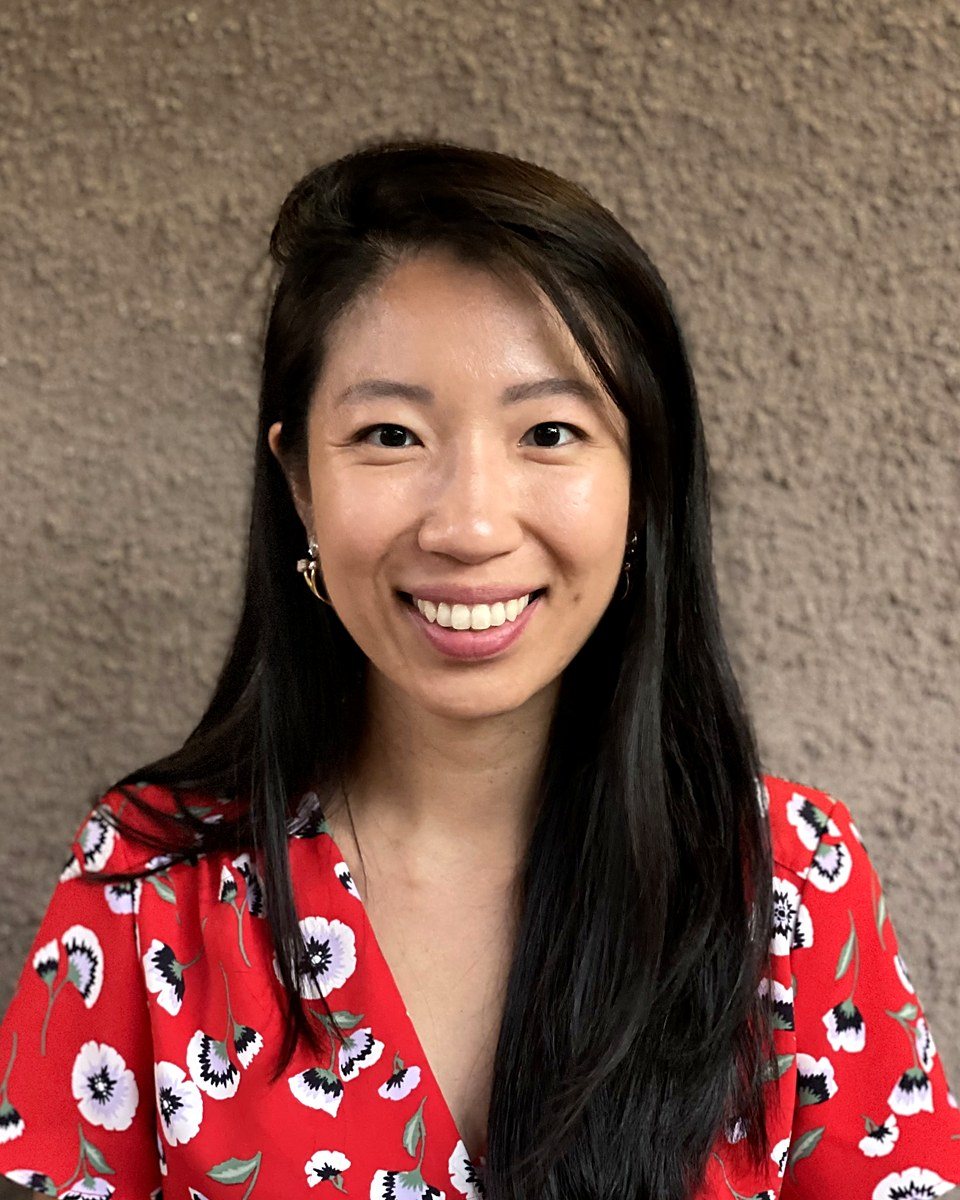
Annie Gao.
Annie built her career in automation and product management, first as a consultant at Thomson Reuters, then inside JPMorgan, UBS, and Adobe, running the systems that keep very large operations moving.
What she noticed along the way: the tools that keep a bank running aren't magic. They're discipline. Clear processes, good handoffs, automation where it earns its keep. Small businesses deserve the same, without the enterprise price tag.
That's what Mainline Ops is: big-company operations know-how, applied to businesses where the owner still answers the phone.
Outside of work, she's enjoying the suburbs. Ask her whether she's started cello lessons yet.
AI is not only for big companies. The small ones that use it win.
Somewhere along the way, AI got framed as something for tech giants, software companies and enterprise back offices. Annie started this studio because she doesn't buy that. AI is a tool. Like the pickup truck and the spreadsheet before it, it belongs to whoever picks it up and puts it to work.
Most owners didn't start their business because they love invoices. They started it because they're great at the work itself. When the paperwork, the follow-ups and the 9pm phone calls handle themselves, those hours come back. Some owners pour them into growing the business. Some take their Saturdays back. Both are the point.
There's a competitive edge here too. In a saturated market, most of your competitors are still quoting from memory and letting calls go to voicemail. The shop that answers every call, quotes the same day and follows up every time looks twice as professional without hiring anyone. Right now that edge is cheap because so few small businesses have claimed it. It won't stay that way.
Annie spent her whole career inside big companies building the automation, the innovation and eventually the AI that made them millions. What she learned there is that big companies grow and stay organized because of systems most people never see and that knowledge usually stays locked up inside companies that already have every advantage. Mainline Ops is her switching sides. She'll also tell you it's the most fulfilling work she's done: watching an owner actually use something we built, make more money with it and get their evenings back. That never gets old.
So don't be intimidated by any of this and don't wait for it to trickle down to you. You bring the craft. We'll wire up the rest.
Four rules we don't break.
The problem comes first.
Tools come second. If AI isn't the answer, we'll say so.
Ship small, ship real.
Small bets that go live beat big plans that don't.
Plain English is a feature.
If we can't explain it to your crew, we haven't finished the job.
You own everything.
Accounts, data, runbooks. If we disappear tomorrow, nothing breaks.
Tell us how you run your business. We'll show you where it can be easier.
Thirty minutes, no slides. If we're a fit, great. If not, you'll still leave with a few ideas you can use.